







 Site Map
 Access
 Library
 for Student
 for Alumni
 Intranet
 Job Openings
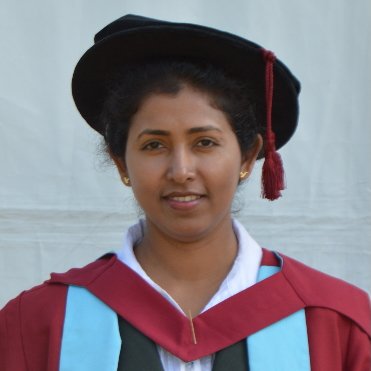 Amila Jayarathne
Researcher & Senior Lecturer
De Montfort University
Leicester, United Kingdom
Public Policy Program (’06)
Please tell us about your career path so far. What is your area of specialization and how did you come to work in this field?
I commenced my academic journey in 2003 as a Junior Lecturer at the University of Sri Jayewardenepura in Sri Lanka, shortly after completing my undergraduate degree in Marketing Management. That initial experience ignited a lasting interest in marketing and strategic management.
Soon thereafter, I was fortunate to be awarded an ADB scholarship to pursue a Master of Public Policy at GRIPS in Japan. In parallel, I also completed a Master of Science in Management, specialising in Marketing Management, from my home university. Upon returning from Japan, I continued the service at the university as a Lecturer to develop my academic career.
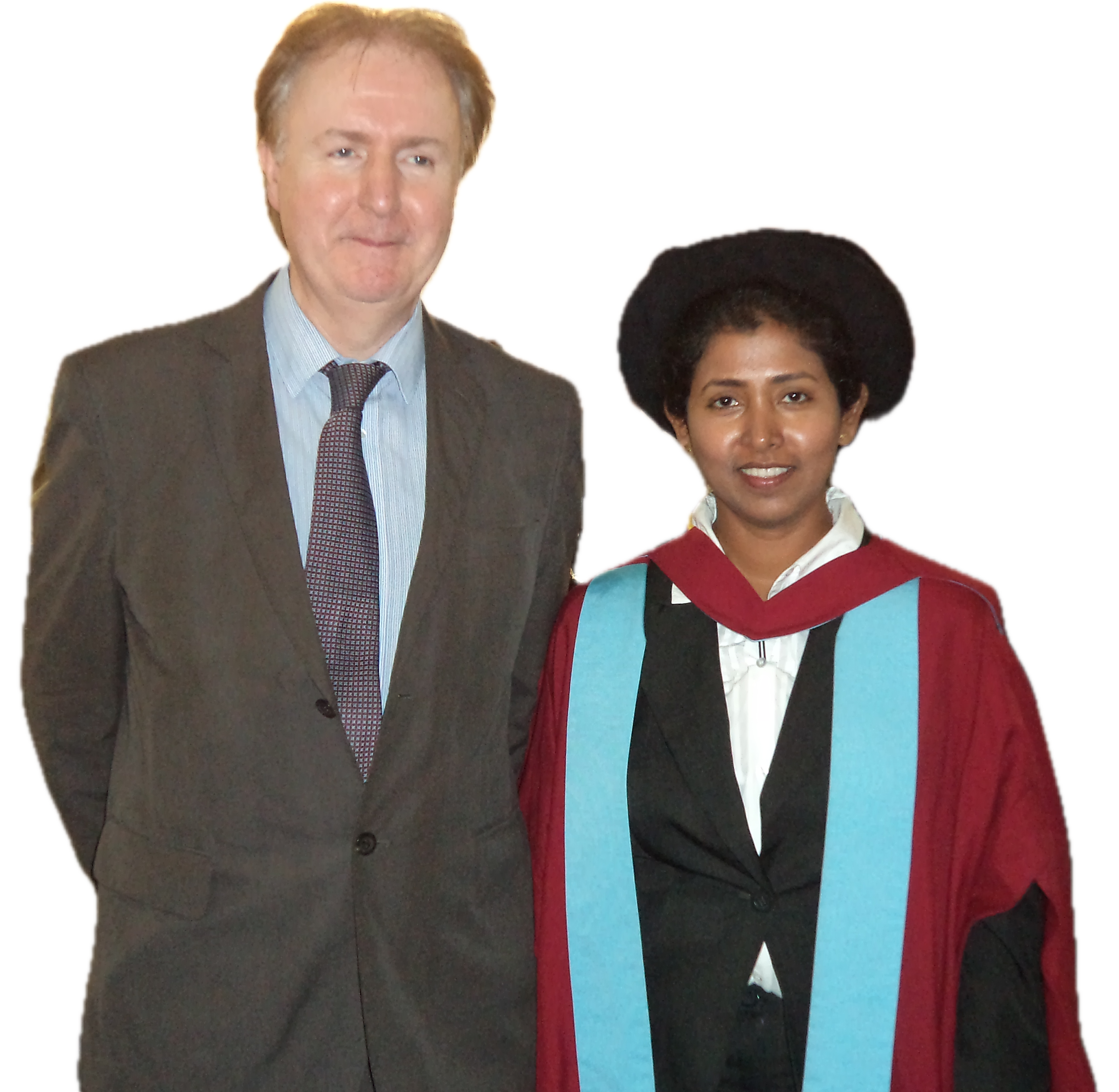
At the PhD graduation with the Supervisor at the Nottingham University Business School, UK, 2013.
A few years later, I received a Commonwealth Scholarship to undertake a PhD at the University of Nottingham Business School here in the UK. My doctoral research explored supply network structures and responsiveness within the international clothing supply chain, which significantly enhanced my understanding of global supply chains and marketing strategy. Following the completion of my doctorate, I returned to Sri Lanka and advanced to the roles of Senior Lecturer and, subsequently, Professor in Marketing, based on merit.
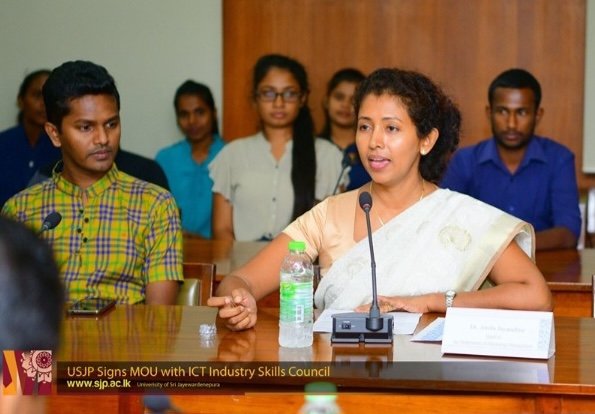
Amila addressing a forum for an industrial collaboration - signing a MoU with ICT industry skills council 2019, as her dule role of the Director international affairs of the Faculty of Management Studies and Commerce, and Head, Department of Marketing Management of the Faculty, University of Sri Jayewardenepura, Sri Lanka.
Over the past two decades, I have held a range of leadership positions-Head of the Department of Marketing Management, Director of International Affairs at both faculty and university levels, and Chairperson and member of several academic boards. I have also made contributions to the higher education sector nationally as Chairperson and member of new degree programmes approval committee serving for the Ministry of Higher Education, and engaged with regional and global platforms through webinars, seminars, keynote addresses, and collaborative research initiatives.
More recently, I transitioned to De Montfort University here in the UK, which has provided an excellent opportunity to continue my academic work in a new setting. My areas of specialisation include marketing management, supply chain management, and research methodologies. I have been privileged to collaborate with scholars from Australia, China, Sweden, and South Asia, and have published in several high-ranking journals and scholarly volumes.
What has consistently driven me is a genuine passion for research and teaching-particularly in dynamic disciplines such as marketing and supply chain management. I am especially interested in how research can inform pedagogy and connect with real-world challenges and developments. The interdisciplinary nature of marketing, and its tangible impact, continues to inspire me each day.
Have you always wanted to pursue a career in academia? What attracts you most about it, and what keeps you inspired?
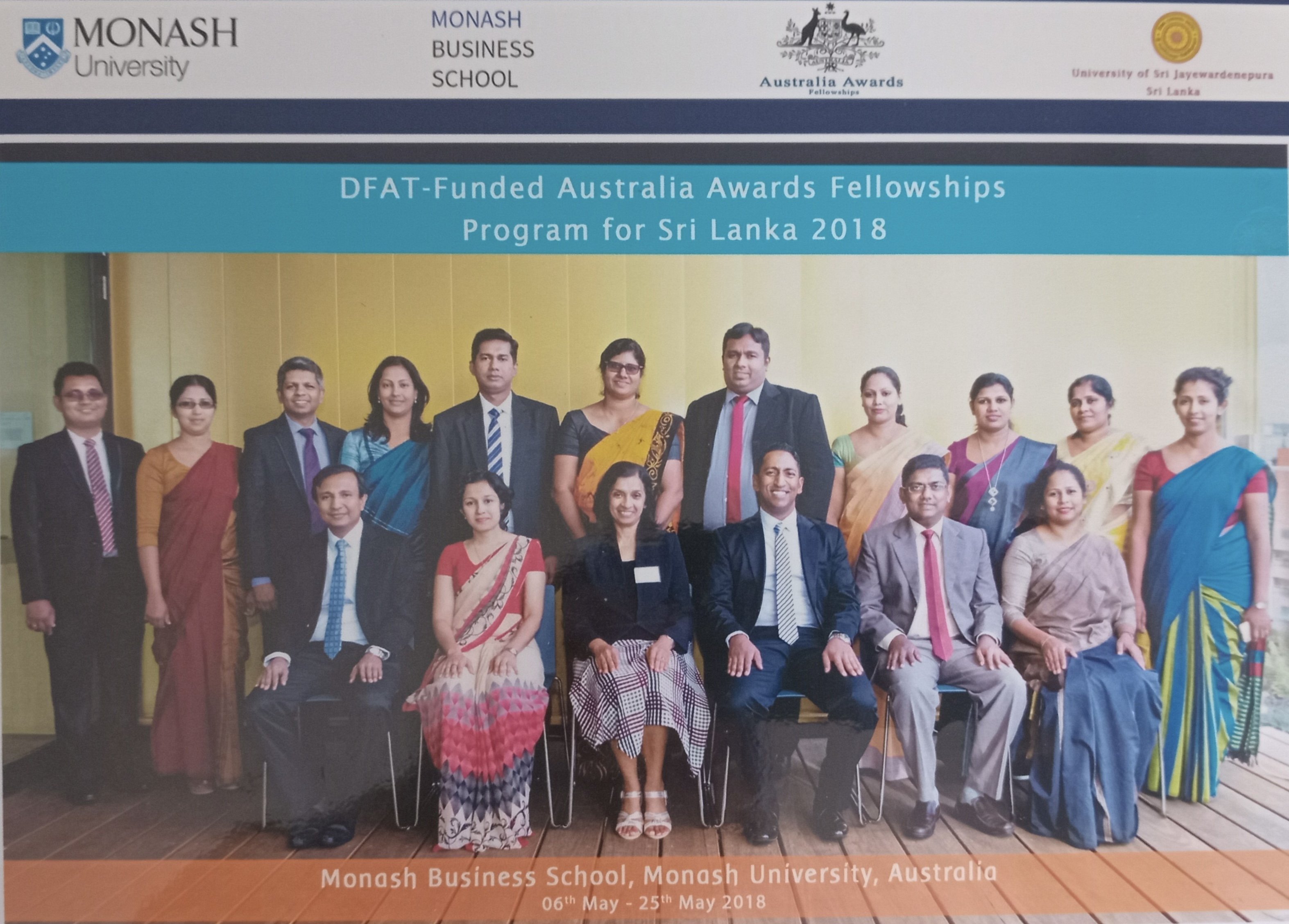
Completion of Fellowship at the Monash University, Australia, 2018.
Well, my initial interest in marketing stemmed from its dynamic and strategic nature, but my passion for academia developed organically through early experiences in teaching and research. During my postgraduate studies at GRIPS in Japan and at the University of Nottingham in the UK, as well as fellowships at the Monash University in Australia and at the Xi'an Jiaotong University in China, I was immersed in a multidisciplinary environment that fostered critical thinking and policy-oriented enquiry, which truly cemented my academic aspirations.
What I find most rewarding about academia is its capacity to shape minds and influence practice. I take great pleasure in engaging with students, mentoring emerging scholars, and contributing to research that tackles real-world challenges. It is deeply fulfilling to know that, through teaching and research, I can make a lasting impact-not only on individual careers, but also on industries and society at large.
Marketing is continually evolving, and that dynamism continues to inspire me. Academia enables me to remain at the forefront of these developments and to contribute to global conversations on pressing topics such as sustainability and digitalisation. For me, it is far more than a career-it is a vocation. It presents a unique opportunity to serve a broader purpose, and that is what makes it so meaningful.
You are currently attached to De Montfort University in Leicester, UK. What are your current research interests and what got you interested?
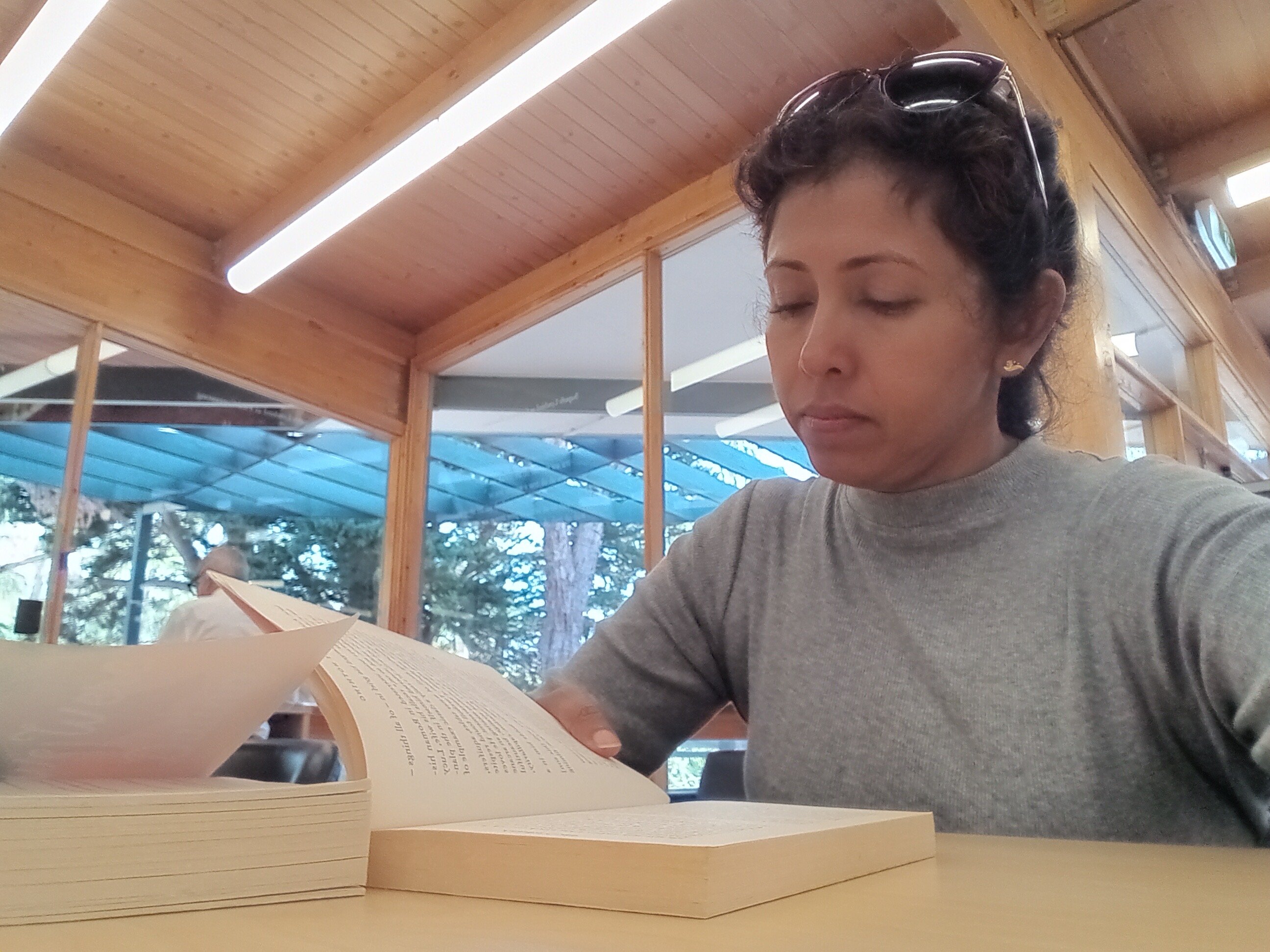
Spending time reading for leisure
My current research interests centre on digitalisation, sustainability, and resilience within global supply networks, with a particular emphasis on the apparel industry and the wider service sector. I am also actively involved in behavioural and multidisciplinary studies, particularly those examining the intersection of technology, consumer behaviour, and organisational performance. This research focus originates from my doctoral studies at the University of Nottingham, where I investigated supply network structures and responsiveness within the international clothing industry. That work sparked a lasting interest in how global networks adapt to change, which has since evolved into a broader inquiry into how digital and sustainable practices can enhance competitiveness and resilience.
Collaborating with scholars from Australia, China, Sweden, and South Asia has further broadened my perspective and enabled me to contribute to international research initiatives and publications. I am especially driven by the potential of research to inform policy, shape industry practice, and support the development of future-ready organizations.
What impact has your research had so far?
My research has contributed both academically and practically, particularly in the fields of marketing, supply chain resilience, and digital transformation. Several of my studies have been published in high-ranking journals and scholarly volumes, and have received international citations-demonstrating their relevance within the academic community. I have also been recognised for my research, including receiving an award at the University of Cambridge, the UK.
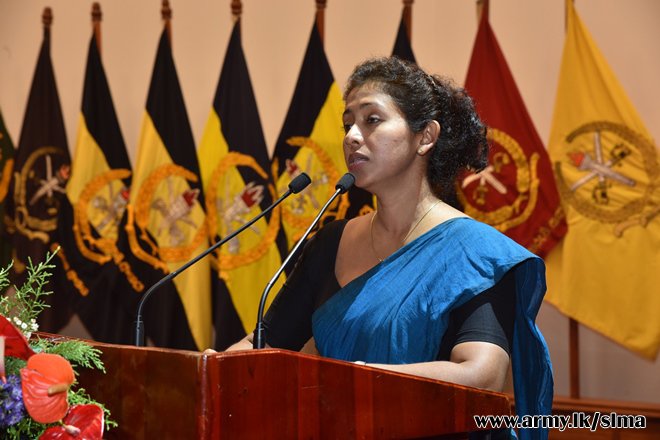
Amila addressing a forum at the Sri Lanka Military Academy, as the Head of Department of Marketing Management, Faculty of Management Studies and Commerce, University of Sri Jayewardenepura, Sri Lanka, 2021.
Beyond academia, my work has informed industry practices and policy discourse. For instance, my research on digitalisation within the apparel supply chain has supported businesses in adopting more sustainable and competitive strategies. Likewise, my studies on consumer behaviour have underpinned initiatives aimed at promoting healthier lifestyles and responsible consumption. I have also played an active role in capacity building through keynote addresses, workshops, and mentoring, enabling me to support the development of future professionals and researchers. Ultimately, I view research as a means of bridging theory and practice-empowering individuals and organisations to make informed, ethical, and forward-looking decisions.
What made you decide to move to the United Kingdom?
My decision to relocate to the UK was shaped by a combination of professional aspirations and personal considerations. Academically, the UK offers a globally esteemed higher education environment, which I had the privilege of experiencing during my doctoral studies at the University of Nottingham. Returning in a full-time academic capacity enabled me to re-engage with this vibrant landscape, contribute to international research, and mentor students from diverse backgrounds.
On a personal level, my son-who was born in the UK during my doctoral studies-is now fifteen, an ideal age to benefit from the British education system. Having fulfilled my commitment to serve my home country under the Commonwealth Scholarship, I felt it was the right moment to support his next educational chapter while continuing my own academic journey. I am also deeply appreciative of a few close friends who genuinely guided me towards this path. Their support provided clarity and purpose during this transition.
In essence, this relocation represents a convergence of personal responsibility and professional ambition-allowing me to give my best to the next generation, both as a parent and as an academic.
What have been the most interesting or rewarding aspects of your career thus far?
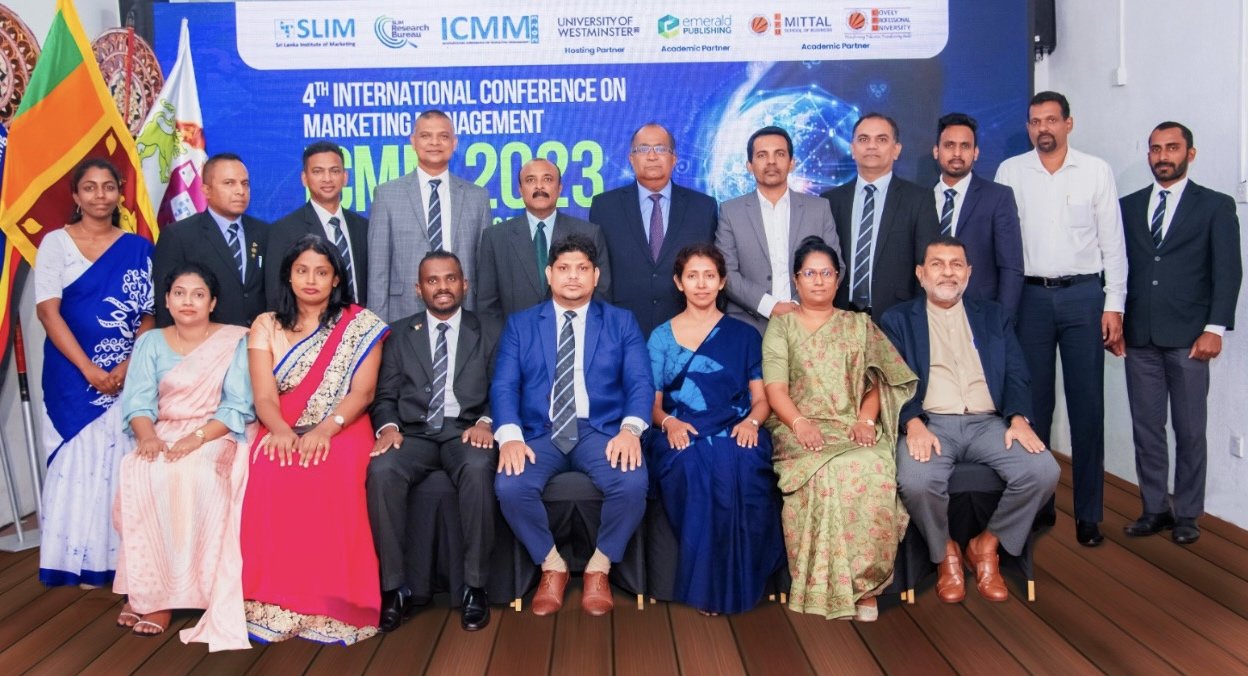
As a Keynote speaker at the annual research conference organised by the Sri Lanka Institute of Marketing - the national professional body for the professional marketing education in Sri Lanka, in 2023.
One of the most rewarding aspects of my career has been the opportunity to shape and inspire the next generation of professionals. Supporting students and witnessing their success across both academic and industry contexts is immensely fulfilling. Equally, contributing to international research-particularly in areas such as digitalisation, sustainability, and supply chain resilience-has enabled me to influence both scholarly discourse and practical implementation.
I have also derived great satisfaction from mentoring researchers, engaging in global collaborations, and serving in editorial capacities, all of which have extended my impact well beyond the lecture theatre. Ultimately, the combination of teaching, research, and international engagement continues to make my academic journey both meaningful and inspiring.
Looking ahead, what are your professional goals, and where do you envision your work and contributions in the next five to ten years?
In the coming years, I aim to further advance research in digitalisation, sustainability, and supply chain resilience, while fostering interdisciplinary collaborations across academia and industry. I remain committed to mentoring future professionals and contributing to academic programmes that are globally relevant and socially impactful.
With the rapid pace of technological innovation-particularly in artificial intelligence-we are entering a period in which higher education must be reimagined. I believe academia should move closer to practice, embracing emerging technologies and working more collaboratively with industry. The same principle applies to research: it must extend beyond academic discourse to tackle real-world challenges and deliver meaningful impact.
I intend to dedicate myself to championing both teaching and research in this direction, ensuring that my work continues to be relevant, transformative, and of benefit to society as a whole.
What led you to GRIPS? What is the most important thing you gained from it, and how has your experience at GRIPS prepared you for future endeavors?
My journey to GRIPS was driven by a desire to broaden my understanding of public policy within an international and multidisciplinary context. At the time, I was seeking a learning environment that combined academic rigour with practical relevance, and GRIPS offered precisely that. The opportunity to study under distinguished scholars and engage with peers from diverse backgrounds proved both intellectually stimulating and professionally enriching.
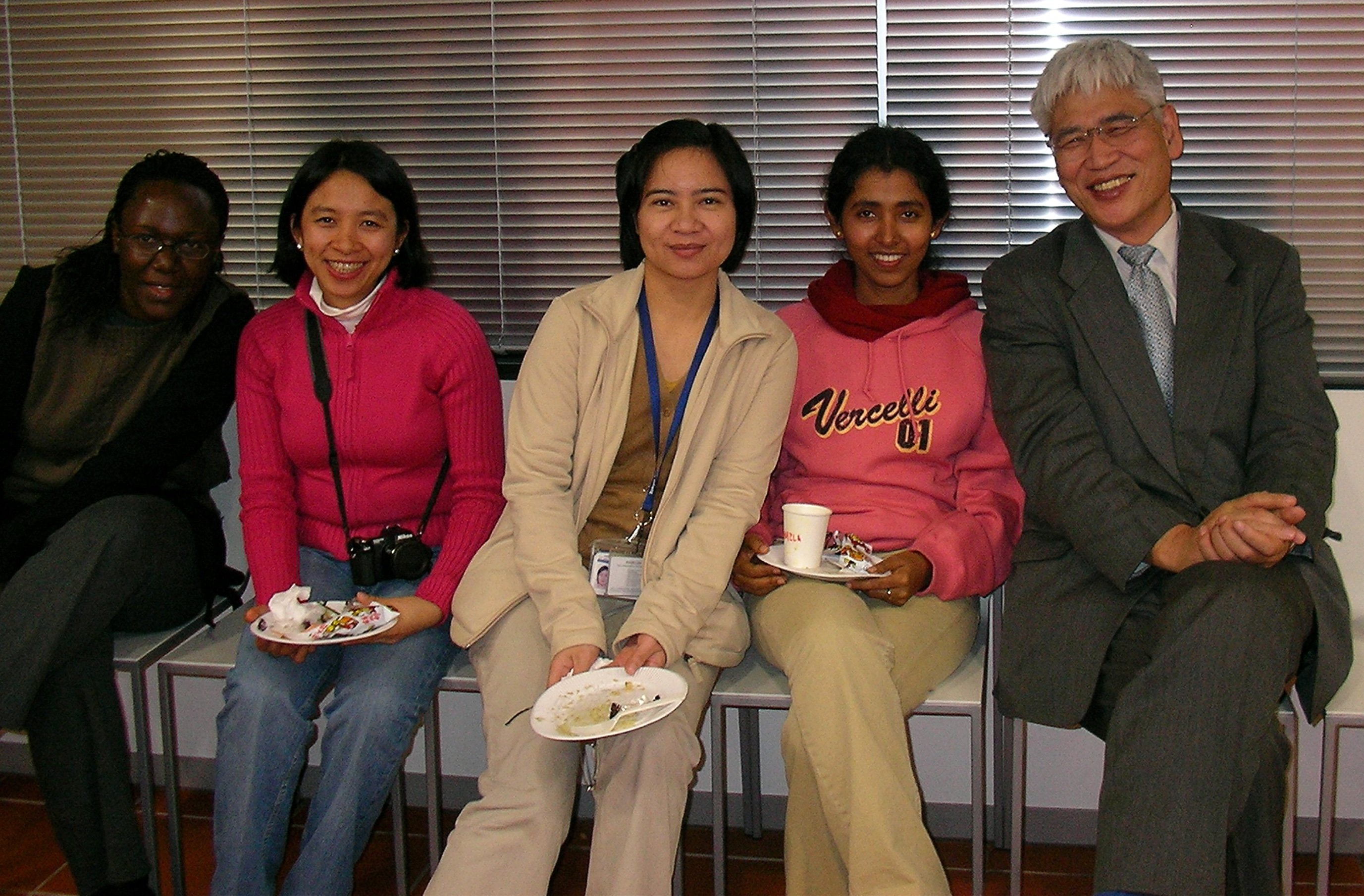
Amila with friends and staff at a GRIPS party in 2006
The most significant outcome of my time at GRIPS was the development of a critical and analytical approach to complex policy and management issues. Exposure to quantitative research methods, particularly in efficiency analysis, provided a robust foundation for my subsequent work in supply chain management and marketing strategy. More importantly, GRIPS instilled in me a global outlook and a commitment to evidence-based decision-making-qualities that have been invaluable throughout my academic career.
My experience at GRIPS equipped me not only for advanced research and teaching, but also for leadership roles within academia and policy advisory. It helped shape my conviction that education and research must serve a broader purpose-addressing real-world challenges and contributing meaningfully to societal progress.
What skills did you develop at GRIPS?
At GRIPS, I developed a strong foundation in analytical thinking, particularly in efficiency analysis using models such as the Stochastic Frontier Approach. These skills have proved invaluable in my subsequent research on supply chain performance and organisational effectiveness.
Equally important were the soft skills I acquired-cross-cultural communication and policy analysis within a global context. GRIPS fostered a multidisciplinary learning environment that strengthened my ability to approach complex issues from multiple perspectives, equipping me to contribute meaningfully to both academia and industry.
Have you had any involvement, professional or otherwise, with Japan since your graduation?
Since graduating from GRIPS, my direct engagement with Japan has been somewhat limited, largely due to my academic and research commitments shifting towards the Western hemisphere-particularly during my doctoral studies and subsequent collaborations. Nonetheless, I have remained connected through academic conferences and scholarly exchanges where Japanese research and perspectives were well represented.
That said, Japan continues to hold a special place in my academic journey, and I am genuinely keen to contribute more actively in the coming years-whether through joint research, policy dialogue, or educational partnerships. Strengthening this connection is a goal I intend to pursue as part of my wider international academic engagement.
How do you balance your professional responsibilities with personal life, and what do you enjoy doing outside of work?
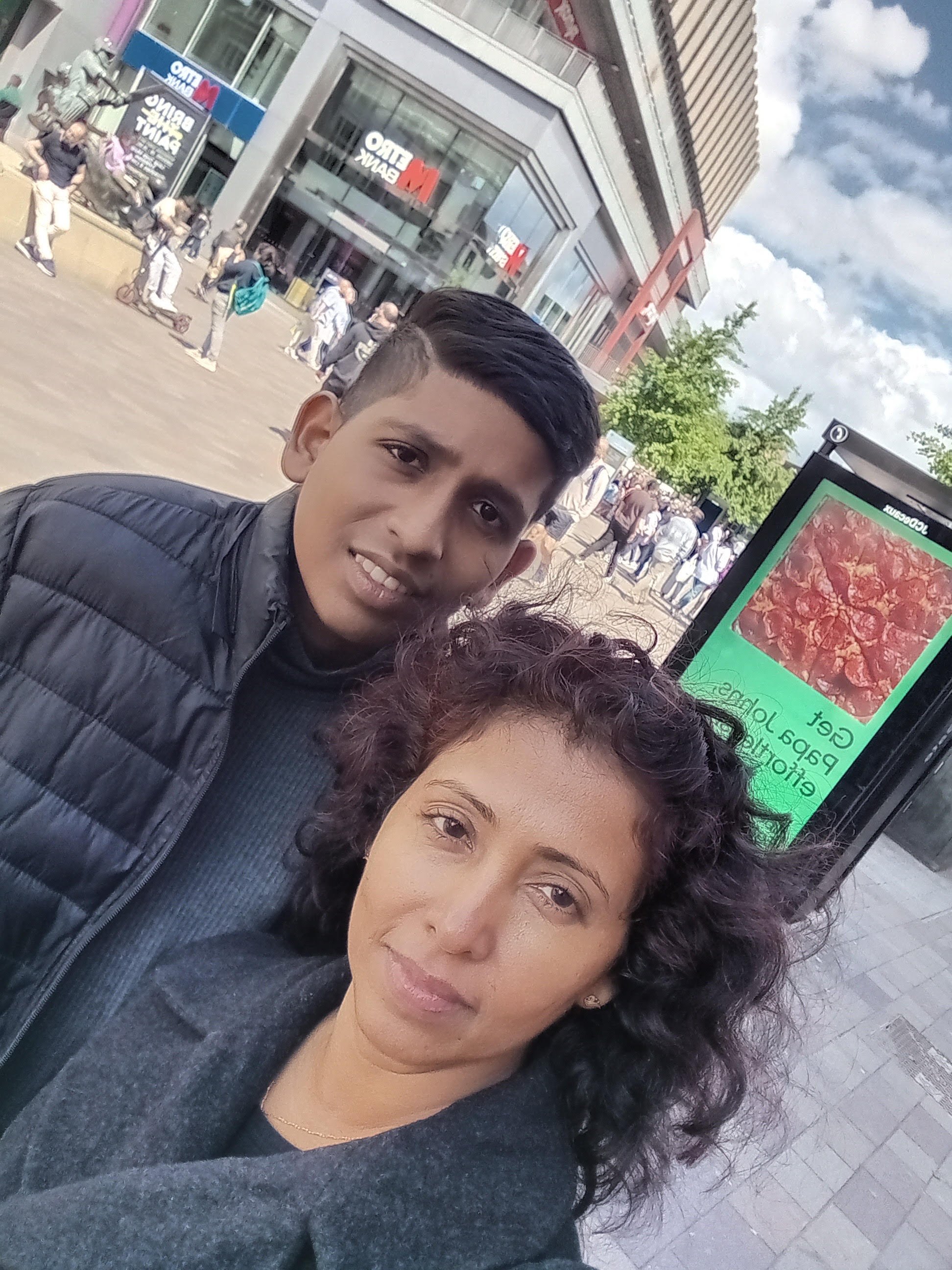
Spending time out with son
Balancing professional responsibilities with personal life requires thoughtful planning and a clear sense of priorities. I follow a structured routine that enables me to fulfil my academic commitments while ensuring I spend meaningful time with my family, particularly my son. I believe that being present in both spheres is vital for long-term fulfilment and wellbeing.
Outside of work, I greatly enjoy spending time with my son. I also take pleasure in reading and engaging with content beyond my academic discipline, as it broadens my understanding of the world beyond academia. I explore the spiritual dimension of life, which helps me remain grounded and reflective. Listening to classical music and maintaining a regular exercise regime are also integral to my routine, supporting both mental and physical health.
These activities not only help me recharge, but also enrich my creativity and perspective-qualities that I bring into my teaching and research.
What are some of your fondest memories of your time spent at GRIPS? And what do you miss about Japan?
My time at GRIPS is filled with cherished memories that extend well beyond the classroom. One of the most rewarding aspects was the warm friendships I formed with peers from across the globe-including the Philippines, Kenya, Uganda, Australia, Europe, China, Japan, and of course, Sri Lanka. The diversity of perspectives and cultures created an exceptionally enriching environment, both academically and personally.
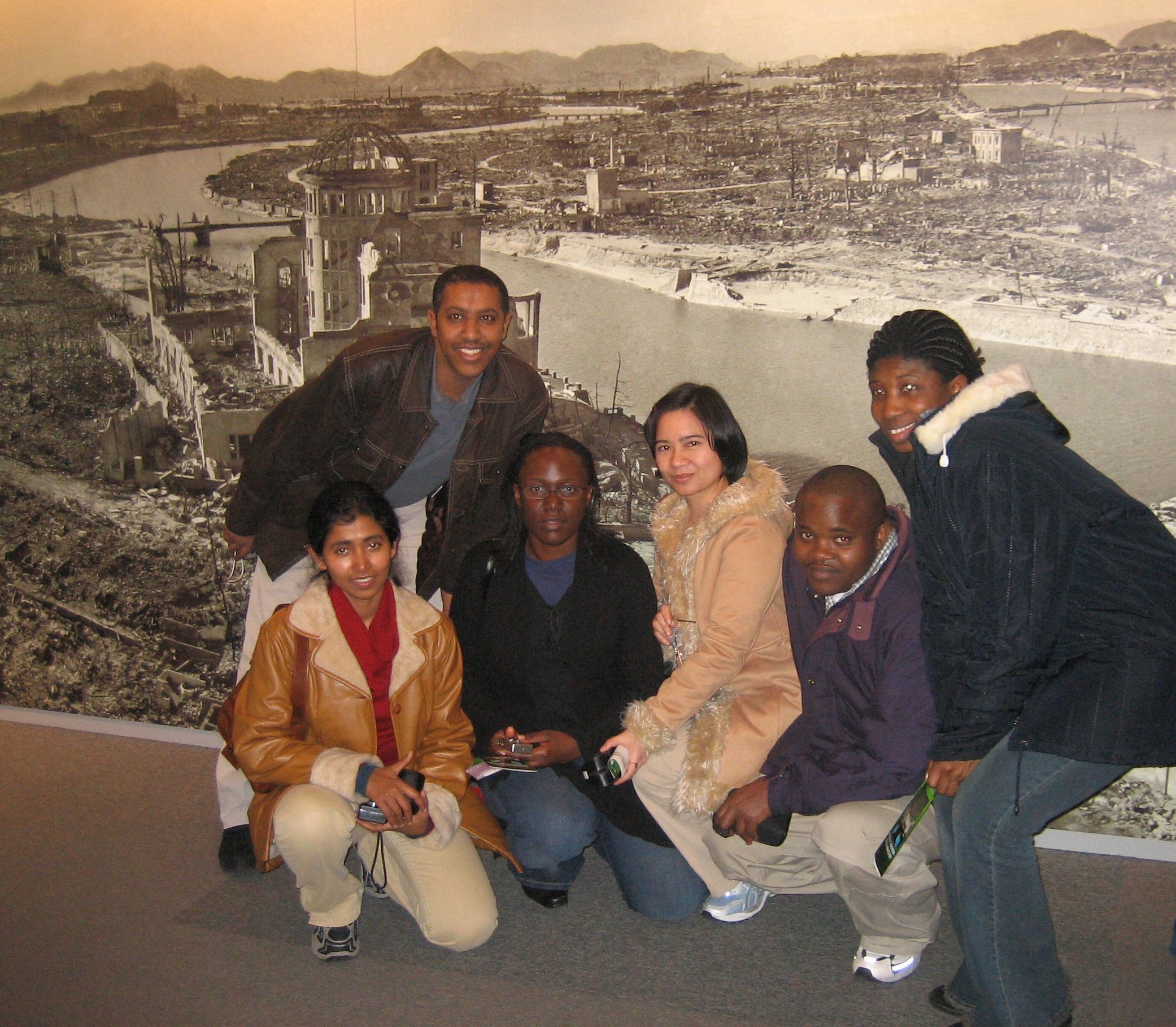
Amila with friends during a field trip to Hiroshima in 2005
I fondly recall the field visits organised as part of our coursework-such as trips to the Mazda company, Yokohama Port, and the University of Tokyo-which brought theoretical concepts to life in a practical and enjoyable manner. The study tour to Hiroshima and Nagasaki, arranged by GRIPS, was deeply moving and educational, offering profound historical insight and reflection.
GRIPS also instilled in me the values of hard work, organisation, attention to detail, humility, and harmony-qualities that have shaped both my academic and personal life. One particularly memorable experience was participating in the Japan Tent, a ten-day residential programme where I lived with two Japanese families alongside friends from Thailand and Indonesia. It was a unique opportunity to experience Japanese lifestyle and hospitality first-hand. In fact, one of the host families became close friends, and the lady even visited me in Sri Lanka-a testament to the lasting bonds formed during my time there. Beyond the academic sphere, I miss the serenity and discipline of Japanese society, the cultural richness, and the heartfelt experiences that made my time in Japan truly special. I also miss the respectful and harmonious way of life, which left a lasting impression on me.
In summary, among all the academic programmes I have undertaken, the master's programme at GRIPS stands out as the most enjoyable and memorable. It was a perfect blend of academic excellence, cultural immersion, and global friendship. I send my warmest regards to all my friends around the world who shared this journey with me.
If you could give one piece of advice to anyone considering studying at GRIPS what would it be?
My advice would be to embrace the experience wholeheartedly-both academically and personally. GRIPS offers far more than a degree; it is a gateway to global perspectives, lifelong friendships, and personal growth. Be open to learning beyond your discipline, engage actively with peers from diverse backgrounds, and make the most of the practical field visits and opportunities for cultural immersion.
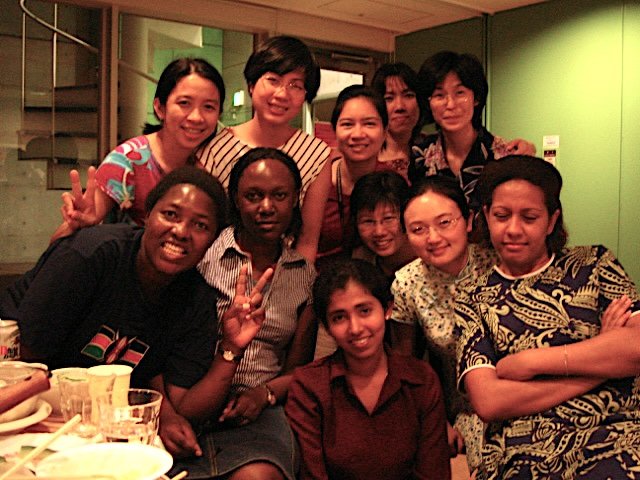
With friends at GRIPS in 2005 at the student accommodation - taking dinner together with foreign and Japanese friends.
Equally, be prepared to work hard and stay organised-GRIPS will challenge you, but in the most rewarding way. The skills, values, and memories you gain will remain with you for life. Most importantly, invest in building connections with others; they will become your global network and, in many cases, lifelong friends.
In short, GRIPS is more than an academic qualification-it is a transformative experience. My advice to anyone considering it is to embrace every moment, both within and beyond the classroom. The academic rigour, international friendships, and cultural richness will shape not only your career, but also your worldview. Work diligently, stay open-minded, and nurture those connections-they will stay with you for life.
How would you like to stay connected with GRIPS as an alumnus? Do you have any suggestions for strengthening the GRIPS alumni network or making it more impactful?
I would be delighted to remain connected with GRIPS through collaborative research, guest lectures, and mentoring opportunities for current students. GRIPS played a pivotal role in shaping my academic journey, and I feel a strong sense of responsibility to give back-whether by sharing insights, supporting international projects, or contributing to policy dialogues.
To strengthen the alumni network, I would suggest establishing more structured platforms for academic and professional collaboration among alumni-such as thematic research clusters, regional chapters, and virtual forums. These could facilitate joint publications, industry-academia partnerships, and cross-border knowledge exchange.
In addition, spotlighting alumni achievements and stories-particularly those working across diverse fields-can serve to inspire current students and foster a sense of global community. I also believe GRIPS could host periodic alumni-led webinars or workshops, enabling us to share expertise and remain engaged with the evolving academic and policy landscape.
I greatly appreciate GRIPS' initiative to highlight outstanding alumni through the Alumnus of the Month programme. It not only provides valuable role models for current and prospective students, but also enhances the international visibility of the GRIPS alumni community. My best wishes for its continued success, and I am happy to contribute in any way I can.
Ultimately, I view the alumni network not merely as a social connection, but as a powerful platform for global impact-and I would be honoured to support that vision.