

第7期生 (2020)
Susumu Yoshida
Country : Japan
Susumu Yoshida
Country : Japan
I am currently studying the potential contribution of value chain enhancement to rural development in Brazil. My research interests include development economics; urban, rural and regional economics; and behavioral and experimental economics. Prior to entering the G-cube program, I spent eight years at the World Bank, engaged in various impact evaluations. I have a B.S. in finance from Indiana University Bloomington, and a DEA (Diploma de Estudios Avanzados) in economics from Universidade de Santiago de Compostela.
After spending more than 15 years abroad, I came back to Japan to study at GRIPS. The G-cube program provides a unique study environment for both Japanese and international students in the center of Tokyo. Although most of the professors are Japanese, the classes are taught in English and my classmates are from all over the world. Since we have different backgrounds and professional experience, we always have active and lively discussions, both in economics in person and in online communication platforms. And since we are a small group of students, we naturally help each other!
I chose GRIPS because of its faculty. They are not just experts in their fields; they are approachable and friendly. Thanks to them, I am learning the skills I need to conduct academic research; in particular I'm improving my analytical and communication skills through critical reading, presentations, small group discussions, and writing. GRIPS also offers excellent student support programs in areas such as English academic writing skill and grant application creation.
If you are interested in world-class policy studies in Japan, I highly recommend the G-cube program at GRIPS.
Mohammad Tareque
Country : Bangladesh
Mohammad Tareque
Country : Bangladesh
My current work is evaluating financial access to rural households in developing countries. My vision is to significantly contribute to the welfare enhancement of the poor in the world. Hence, I aim to rigorously work for building affordable & sustainable financial products and financial service delivery channels to achieve the sustainable development goals (SDGs).
I am working in Bangladesh Bank (the central bank of Bangladesh) as a mid-level employee. My job is to formulate, monitor, and supervise the regulations and policies to strengthen the resilience of financial sectors against domestic and international shocks. Moreover, we work for inclusive growth by deepening the formal financial services to the unbanked. Before joining Bangladesh Bank, I served as a lecturer of Accounting under the Bangladesh Civil Service (BCS) Cadre. But, I started my career as a banker at united commercial bank ltd (UCBL).
At the latest, I graduated in Economics from the International University of Japan (IUJ) in 2017 under the JDS scholarship program. My first graduation was in Accounting & Information Systems titled MBA (AIS) in 2008 from the Chittagong University (CU), Bangladesh. I got my Bachelor's degree titled BBA (AIS) from the same university.
The objectives and curriculum design encouraged me to join the G-cube program. I need to gain expertise on diversified econometric techniques and tools to achieve my vision. I am hopeful that by the supervision and guidance of veteran G-cube faculties, I will have acquired the knowledge required to lead the world.
Pham Thi Thanh Huyen
Country : Vietnam
Pham Thi Thanh Huyen
Country : Vietnam
My interest in a public sector career dated back to my university time. Duringschool years, I was extremely keen on organizing social activities and participating in volunteer projects to contribute to the community. I undertook different roles as a leader in my schools, student's unions and my classes. Thus, I gained valuable experience and skills about how to co-organize tasks, motivate people, and mobilize their inner strengths and resources to achieve optimal efficiency in group activities.
I have been working in The Organizing Department of the Communist Party Committee of Hai Phong city as a Human resource specialist for nine years. At work, selecting the right people at the right time, and in the right place seems straightforward but requires deep knowledge and experience. Then I quickly realized that what had learned from my one-year master course on human resource management in England was helpful, yet not enough to solve severe problems in the public sector. Remarkably, there has been a so-called "brain-drain" phenomenon of young talented employees from the public sector to the private sector or overseas, taking a toll on the sector's performance and comparative advantages.
Uniquely, the political structure of Vietnam contains two parallel independent systems from the central to the local level, namely the Communist Party and the government. In my current research, I am working on comparative analysis in order to engage in a systematic comparison between the ways talent schemes are formed and implemented in each system, then suggest feasible policies that could apply to both systems to attract and retain young talented people for the public sector in general.
I firmly believe that the knowledge, skills, and experiences obtained in GRIPS, a leading university in public policies, during my Ph.D. study in Japan will play a significant part in achieving my career goal, as mentioned above.
Moyo Tennyson John
Country : Malawi
Moyo Tennyson John
Country : Malawi
After working in the Local Governments for about five years, I noticed that Local revenue generation is one of the biggest challenges in the Malawi Local governments. The observation motivated me to undertake studies that will help to uncover factors that causes the poor local revenue generation in the Local governments. Currently my study is looking at the influence of local taxation policy on the overall local taxation performance of the Local governments. The assessment of the local taxation policy will help to understand the effectiveness and efficiency of the policy. Eventually this exercise will help the formulating of comprehensive and robust local taxation policy that will enhance local revenue generation.
After working in the Local Governments for about five years, I noticed that Local revenue generation is one of the biggest challenges in the Malawi Local governments. The observation motivated me to undertake studies that will help to uncover factors that causes the poor local revenue generation in the Local governments. Currently my study is looking at the influence of local taxation policy on the overall local taxation performance of the Local governments. The assessment of the local taxation policy will help to understand the effectiveness and efficiency of the policy. Eventually this exercise will help the formulating of comprehensive and robust local taxation policy that will enhance local revenue generation.
I consider the selection of G-cube as one of the best decisions I have undertaken. Being in G-cube, I am guaranteed that I will enhance my analytical skills, leadership skills, communication skills and I will be able to understand things at a highest level. Apart from the numerous skills that can be attained, G-cube will broaden my career path because the program is comprehensive in as far as policy management is concerned.
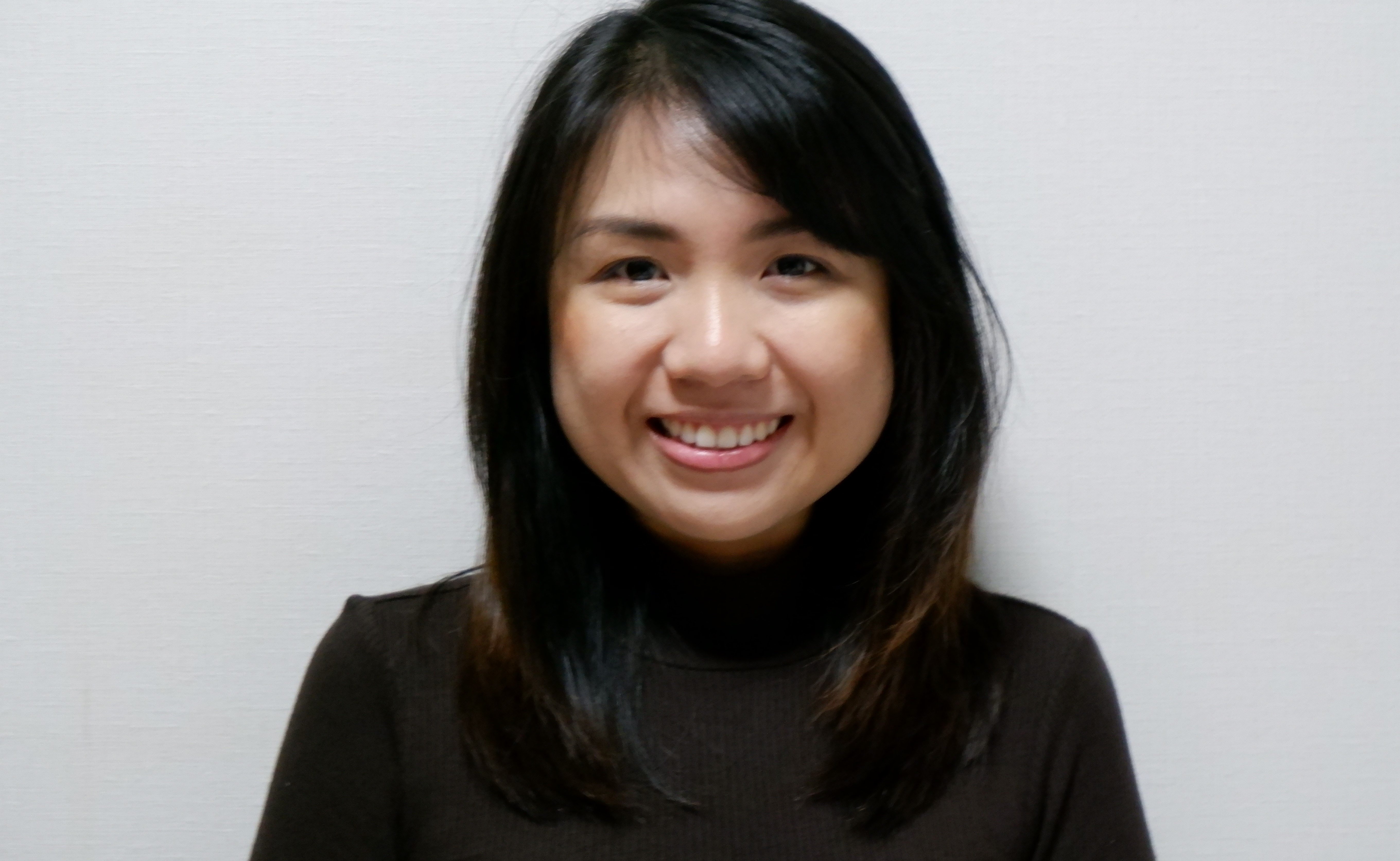
Angelica Maddawin
Country : Phillipines
Angelica Maddawin
Country : Phillipines
My field of study is development economics, and I am currently deepening my knowledge on impact evaluation of development programs to be able to conduct rigorous studies with the use of quasi-experimental designs. I am particularly interested in programs related to improving outcomes for women in developing countries such as through education, training, and entrepreneurship.
Before joining the G-cube program, I worked on various research projects as a consultant at Asian Development Bank where I mainly conduct rigorous data analysis and economic research in areas covering TVET, agriculture, tourism, trade, urbanization, and climate change. I obtained my master's degree in Development Economics at the University of the Philippines School of Economics and wrote a thesis about the Philippine garments industry which I also presented in an international conference. I gained my foundational skills in intensive and extensive policy research at the Philippine Institute for Development Studies through valuable experiences from fieldworks, seminars, and trainings.
Commendable background coupled with willingness to learn, the G-cube program will prepare you to become a good leader and excellent researcher who possesses critical thinking skills and pragmatic and scientific reasoning abilities. It is a program that trains your mind, deepen your knowledge, and improves your skills constantly. Lectures are provided by brilliant professors in economics and political science who do not only impart knowledge and explain theories to teach the students to be academically inclined, but also stimulate discussions in which the students can be analytical with the theories. Students are given opportunity to engage in intellectual discussions with the professors and among diverse students in tutorials and seminars which contribute to the enhancement of one's research and expertise.
Kopati Gbali Carl Adams
Country : Central African Republic
Kopati Gbali Carl Adams
Country : Central African Republic
My current research interest is to understand the pathway of the Information and Communication Technology Leapfrogging in sub-Saharan Africa, particularly in Rwanda and Senegal.
Before I started my study at GRIPS in October 2020. I got a Master's degree in Telecommunication at the ESMT in Senegal in 2013. In 2015, I got a Certificate in Leadership and Public Administration at Syracuse University in the USA under the Young African Leadership Initiative Fellowship. I also hold an MBA from the International University of Japan in 2019 under the ABE-JICA Scholarship. My MBA thesis was to show the business opportunity to launch an aggregation platform for mobile money in the Central African Republic. Concerning my professional experience, before coming for my MBA in Japan in 2017, I worked as the head of the studies department at the Telecommunications Regulatory Authority (TRA) in the Central African Republic. At the TRA of Central African Republic, I was in charge of the study of the ICT market. My main mission was to control all the ICT offers that service providers put on the Market and to propose policies essential to the development and maintenance of healthy competition on the Market. After my MBA, I returned to my country and worked as an executive at TRA, and also as a business development consultant for DAIKI Holding for 18 months.
I believe the G-cube program is strengthening my analytical and leadership skills essential to my future career.
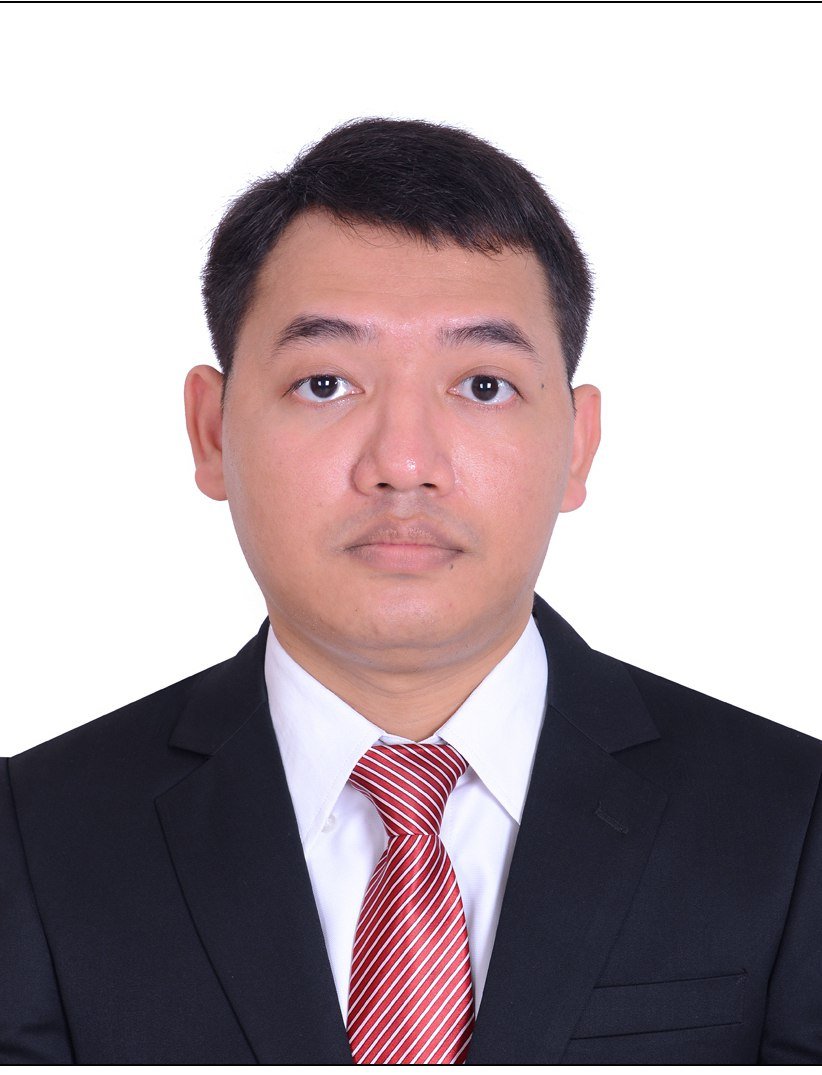
CHHOEUNG Johann
Country : Cambodia
CHHOEUNG Johann
Country : Cambodia
My current research interest is in dollarization, impacts of dedollarization policies on economy, and using DSGE model to answer macroeconomic questions. Prior to joining GRIPS, I had worked at the National Bank of Cambodia (NBC) in the Economic Research and International Cooperation department where I was in charge of monitoring macroeconomic variables and banking system liquidity.
I began my doctoral studies in G-Cube program in October 2020 under JICA-SDGs Global Leaders scholarship. Before reaching this point, I received a bachelor's degree in business administration from the Economics and Finance Institute, Cambodia, in 2011, and I joined NBC in 2012. During my working years, I was offered the JICA Long-Term Training Program scholarship to pursue a master's degree in public economics at Hitotsubashi University, Japan, during 2015-2017. My thesis topic then was on the monetary determinants of foreign currency deposits in Cambodia.
After being at GRIPS for almost one year, I can see that G-Cube is unique in the way that it bridges academics and real-life application, and that it offers a varying degree of concentration between economics and politics so that students can have a wide range of options in adapting their research. The program also offers necessary courses with great schedule flexibility to help with our research methodology, which are in my case mostly econometrics. In addition to core subjects, we also learn practical leadership from seminars, discussions, and debates, which is G-Cube's core philosophy. As for professors and faculty staff, within G-Cube as well as GRIPS in general, they are very much helpful and friendly, which is in my views atypical of Japanese universities.
I believe that G-Cube program as well as GRIPS is helping me and will help me realize my potentials in my studies, research, and career.
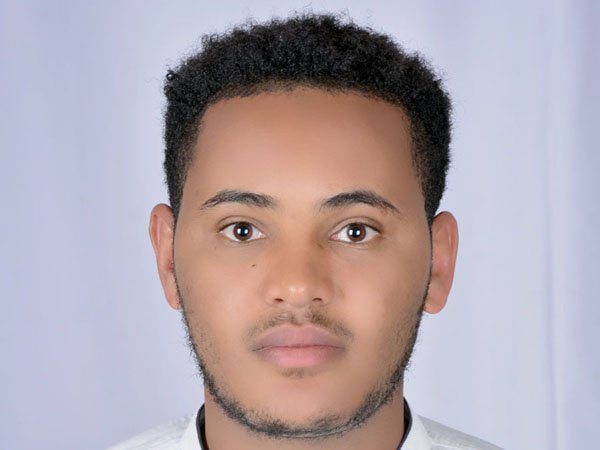
Zeleke Abay Agidew
Country : Ethiopia
Zeleke Abay Agidew
Country : Ethiopia
Before I joined GRIPS, I worked for five years as a lecturer at Addis Ababa University, Department of Public Administration. I received B.A. in Public Administration and Development Managemnt at Addis Ababa University, Ethiopia in 2015. Then After, I got my Masters degree in Public managment and policy in 2017 at Addis Ababa University and Master of International Executive Business Admnistation in 2018 at UIBE, China.
I joined GRIPS G-cube program on october 2020. And curently I am conducting my reaserach on the "Impact of Africa Continental Free Trade Area(AfCFTA) on the Ethiopia Economy.
As G-Cube program is a mix of Economics, political science, hisory and development courses, I belive that It will give me a great opportunity to develop my leadership and policy analysis skills.